
Real Life Discipleship Training Manual: An Overview
This manual details a proven curriculum‚ The 2:7 Series‚ designed for small groups‚ fostering long-term spiritual growth and life transformation through focused discipleship.
It’s a Biblically-rooted and practical approach‚ utilizing three 11-week workbooks led by qualified facilitators‚ aiming to establish believers firmly in their faith.
The series emphasizes becoming rooted in Christ‚ built up in faith‚ and overflowing with thankfulness‚ mirroring Colossians 2:7’s core principles for impactful discipleship.
Discipleship training is a vital process for believers seeking to mature in their faith and live out the calling God has placed on their lives. It’s far more than simply acquiring theological knowledge; it’s about intentional‚ relational learning and practical application of biblical truths.
Real life discipleship focuses on transformation‚ equipping individuals to not only know what the Bible says‚ but to live it out consistently in every area of life. This involves cultivating habits of spiritual discipline‚ understanding one’s identity in Christ‚ and actively participating in God’s work in the world.
The 2:7 Series provides a structured pathway for this growth‚ utilizing a small group format to foster accountability‚ encouragement‚ and deeper understanding. Through interactive discussion and practical exercises‚ participants are challenged to move beyond passive observation to active obedience.

This training isn’t a one-time event‚ but a lifelong journey of learning and growth‚ guided by the Holy Spirit and rooted in the Word of God. It’s about becoming more like Christ‚ day by day‚ and impacting the world around us for His glory.
The Importance of Small Group Discipleship
Small group discipleship is central to the effectiveness of the 2:7 Series‚ offering a dynamic environment for growth that larger settings often lack. The intimacy of a small group fosters vulnerability‚ allowing participants to share struggles‚ ask questions‚ and receive personalized encouragement.
This relational context is crucial for accountability‚ as group members can support one another in applying biblical principles to their daily lives. The shared journey creates a sense of community‚ reminding individuals they are not alone in their faith walk.
Discussion-based learning within small groups promotes deeper understanding and critical thinking. Participants actively engage with the material‚ challenging assumptions and exploring different perspectives.
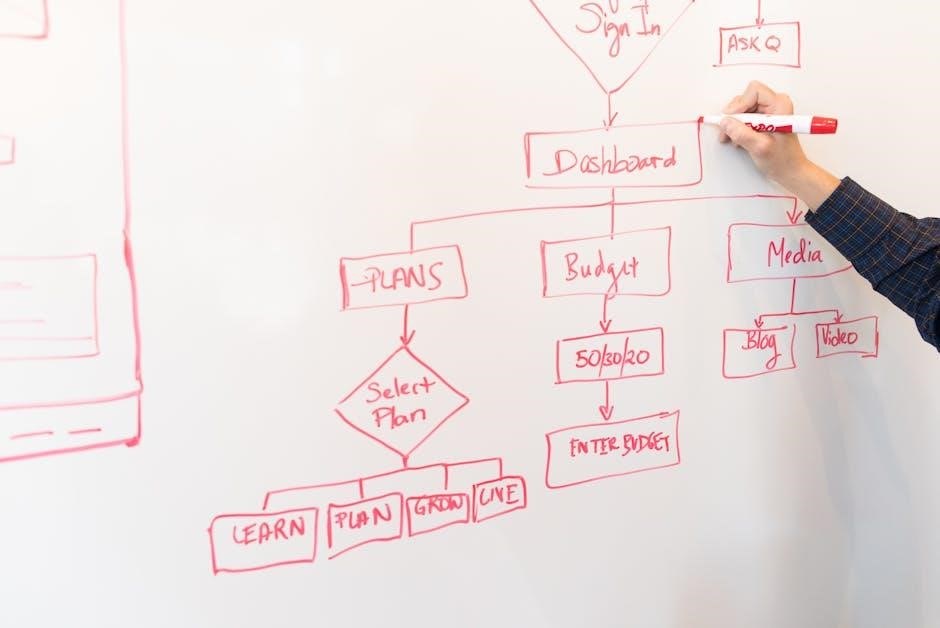
Facilitators can tailor the curriculum to the specific needs of the group‚ addressing relevant issues and providing targeted guidance. Ultimately‚ small groups create a safe and supportive space for transformation to occur‚ accelerating spiritual maturity.
Biblical Foundations of Discipleship

The 2:7 Series is firmly grounded in biblical principles‚ viewing discipleship as a lifelong process of transformation modeled by Jesus with His followers. It’s rooted in the Great Commission (Matthew 28:19-20)‚ emphasizing making disciples who obey all that He commanded.
Central to the series is Colossians 2:7‚ which provides a framework for spiritual growth: being “rooted and built up in Him‚ strengthened in the faith.” This verse highlights the importance of a solid foundation in Christ‚ continual growth‚ and unwavering faith.
The curriculum draws heavily from Paul’s letters‚ particularly those addressing spiritual maturity and practical Christian living. Emphasis is placed on the Holy Spirit’s role in empowering believers to live out their faith authentically.
Discipleship isn’t merely intellectual assent‚ but a holistic transformation impacting thoughts‚ attitudes‚ and behaviors‚ aligning with God’s Word and reflecting His character.

The 2:7 Series – A Core Curriculum
This series provides a structured‚ three-workbook discipleship experience‚ delivered in small groups with qualified facilitators‚ fostering lasting spiritual development and practical application.
Understanding the 2:7 Series Philosophy
The 2:7 Series isn’t merely a Bible study; it’s a holistic discipleship journey designed to cultivate genuine‚ life-altering transformation. Its core philosophy centers on the apostle Paul’s directive in Colossians 2:7 – being “rooted and built up in Him‚ strengthened in the faith‚ and overflowing with thankfulness.”
This isn’t about accumulating knowledge‚ but about experiencing a deepening relationship with Christ that permeates every aspect of life. The curriculum intentionally moves participants from foundational understanding to practical application‚ emphasizing consistent spiritual disciplines and community engagement.
The series prioritizes a small group dynamic‚ recognizing the power of vulnerability‚ accountability‚ and mutual encouragement in the discipleship process. Facilitators guide discussions‚ but the emphasis is on peer learning and shared discovery. Ultimately‚ the goal is to equip individuals to live out their faith authentically and impactfully‚ extending God’s grace to others.
The Scriptural Basis of the 2:7 Series (Colossians 2:7)
Colossians 2:7 serves as the foundational verse and guiding principle for the entire 2:7 Series curriculum. This powerful scripture – “Rooted and built up in Him‚ strengthened in the faith as you were taught‚ and overflowing with thankfulness” – encapsulates the core objectives of the discipleship process.
“Rooted” signifies establishing a firm foundation in Christ‚ deepening one’s understanding of His character and claims. “Built up” represents spiritual growth and maturity‚ strengthening believers in their faith journey. “Strengthened in the faith” highlights the importance of consistent learning and applying biblical truth.
Finally‚ “overflowing with thankfulness” emphasizes the transformative power of gratitude‚ shaping one’s perspective and fostering a joyful‚ Christ-centered life. The series intentionally structures its three workbooks around these four key elements‚ guiding participants toward a holistic and vibrant faith experience‚ mirroring Paul’s inspired vision.
Course Structure: 11-Week Modules
The 2:7 Series is meticulously structured into three distinct workbooks‚ each comprising an 11-week module‚ designed for optimal learning and application within a small group setting. This format allows for consistent engagement and fosters a supportive community environment.
Each weekly session typically involves interactive discussion‚ practical exercises‚ and personal reflection‚ encouraging participants to actively internalize the material. The curriculum progresses logically‚ building upon foundational principles established in earlier modules.
Facilitators play a crucial role in guiding these sessions‚ ensuring a safe and engaging space for vulnerability and growth. The 11-week duration provides sufficient time to delve deeply into each topic‚ allowing for meaningful transformation. This modular approach enables flexibility and scalability for various contexts.
Facilitator Qualifications and Responsibilities
Effective facilitation within The 2:7 Series requires a mature and growing faith‚ coupled with a demonstrated commitment to discipleship principles. Facilitators should possess a strong understanding of the biblical foundations underpinning the curriculum and a genuine desire to see others grow spiritually.
Key responsibilities include preparing for each session‚ guiding group discussions‚ fostering a safe and encouraging environment‚ and providing individual support to participants. They are not expected to be experts‚ but rather humble learners alongside the group.
A facilitator’s role is to guide‚ not lecture‚ encouraging participants to discover truth for themselves through Scripture and shared experiences. Prior completion of the 2:7 Series is highly recommended‚ alongside ongoing training and mentorship opportunities.

Workbook 1: Rooted in Christ
This foundational workbook equips participants with essential tools‚ including practical Bible study techniques‚ effective Scripture memory skills‚ and cultivating a vibrant devotional life.
It also introduces principles of effective evangelism‚ empowering believers to confidently share their faith and impact the lives of others for Christ.
Fundamentals of Bible Study Techniques
Effective Bible study is the cornerstone of spiritual growth‚ and this section provides a robust foundation for understanding and applying God’s Word. Participants will learn to move beyond simply reading the Bible to truly discovering its meaning and relevance.
Key techniques explored include inductive Bible study – observing‚ interpreting‚ and applying Scripture – fostering a deeper‚ more personal connection with God. Emphasis is placed on understanding the historical and cultural context of biblical passages‚ unlocking layers of meaning often missed through casual reading.
Practical methods for outlining passages‚ identifying key themes‚ and cross-referencing Scripture will be taught‚ equipping individuals with tools for independent study. Furthermore‚ the importance of prayerful preparation and a humble‚ teachable spirit will be highlighted‚ recognizing the Holy Spirit as the ultimate teacher. This isn’t just about how to study‚ but why – to know God more intimately and live a life transformed by His truth.
Scripture Memory and Application
Hiding God’s Word in our hearts is not merely an academic exercise‚ but a vital spiritual discipline. This section focuses on equipping participants with practical strategies for memorizing Scripture effectively and‚ more importantly‚ applying it to daily life.
Various memory techniques will be explored‚ including repetition‚ association‚ and the use of memory verses in prayer and meditation. The emphasis will be on choosing verses that resonate personally and address specific areas of struggle or growth.
Beyond memorization‚ the focus shifts to application – how to internalize Scripture and allow it to shape our thoughts‚ attitudes‚ and actions. Participants will learn to identify biblical principles relevant to their circumstances and develop concrete plans for living them out. This section underscores that Scripture isn’t meant to be passively known‚ but actively lived‚ transforming us into the likeness of Christ.
Developing a Consistent Devotional Life
Establishing a regular devotional life is foundational for spiritual growth and a deepening relationship with God. This module provides guidance on creating a sustainable rhythm of personal time with Scripture and prayer‚ moving beyond sporadic efforts to consistent practice.
Participants will explore different devotional approaches‚ including lectio divina‚ SOAP journaling‚ and thematic studies‚ discovering what resonates best with their learning style and personality. Practical tips for overcoming common obstacles – such as lack of time or distractions – will be shared.
The goal is not to add another item to a busy schedule‚ but to prioritize a vital connection with God. Emphasis will be placed on cultivating a heart of expectancy and allowing the Holy Spirit to speak through His Word‚ fostering intimacy and transforming our lives from the inside out.
Effective Evangelism Principles
This section equips participants with practical principles for sharing their faith authentically and effectively‚ moving beyond fear and apprehension to confident proclamation of the Gospel. It emphasizes that evangelism isn’t about techniques‚ but about a natural overflow of a transformed life.
Participants will learn to identify opportunities for spiritual conversations‚ listen empathetically to others’ stories‚ and articulate their own faith journey in a compelling way. The importance of prayerful preparation and dependence on the Holy Spirit will be highlighted.
The focus is on relational evangelism – building genuine connections and demonstrating God’s love through acts of service and kindness. We’ll explore how to address common objections and share the hope of Christ with grace and truth‚ leaving a lasting impact.

Workbook 2: Built Up in Faith
This workbook strengthens faith through community and spiritual disciplines‚ addressing obstacles to growth and emphasizing the vital role of consistent‚ heartfelt prayer in discipleship.
Strengthening Faith Through Community
Genuine spiritual growth rarely happens in isolation; it flourishes within the context of supportive Christian community. This section of Workbook 2 emphasizes the crucial role of fellowship in building up one’s faith‚ providing accountability‚ and fostering encouragement.
Small group discussions‚ a cornerstone of The 2:7 Series‚ offer a safe space to explore doubts‚ share struggles‚ and celebrate victories‚ all while receiving biblical counsel from peers and a trained facilitator.
Participants learn to practice vulnerability and authentic connection‚ recognizing that mutual support is essential for navigating the challenges of Christian living.
Furthermore‚ this module explores how to actively participate in the life of the local church‚ contributing one’s gifts and talents to the collective mission of advancing God’s kingdom‚ solidifying faith through service and shared purpose.
Ultimately‚ strengthening faith through community isn’t merely about receiving support‚ but also about offering it‚ embodying the love and grace of Christ to others.
Understanding Spiritual Disciplines
This module within Workbook 2 delves into the intentional practices that cultivate spiritual maturity and deepen one’s relationship with God. Spiritual disciplines aren’t viewed as legalistic requirements‚ but rather as tools for grace‚ enabling us to cooperate with the Holy Spirit’s work in our lives.
The curriculum explores a range of disciplines‚ including prayer‚ fasting‚ solitude‚ and simplicity‚ providing practical guidance on how to incorporate them into daily routines.
Participants learn to identify disciplines that resonate with their individual needs and personalities‚ recognizing that a balanced approach is key to sustainable growth.
Emphasis is placed on the underlying motivations for engaging in these practices – a desire to know God more intimately‚ to align one’s life with His will‚ and to experience His transforming power.
Ultimately‚ understanding spiritual disciplines empowers believers to move beyond passive faith and actively pursue a life of intentional devotion.
Overcoming Obstacles to Spiritual Growth
This section of Workbook 2 directly addresses the common hurdles that impede spiritual progress‚ acknowledging that the Christian life isn’t always seamless. Participants will explore internal obstacles like doubt‚ fear‚ and unconfessed sin‚ alongside external challenges such as busyness‚ distractions‚ and negative influences.
The curriculum provides practical strategies for identifying and confronting these roadblocks‚ emphasizing the importance of self-awareness‚ honesty‚ and accountability.
It highlights the role of confession and repentance in breaking free from patterns of sin‚ and the power of God’s grace to overcome weaknesses.
Participants are encouraged to develop a mindset of perseverance‚ recognizing that spiritual growth is a lifelong journey with inevitable setbacks.
Ultimately‚ this module equips believers with the tools to navigate challenges and maintain momentum on their path of discipleship.
The Role of Prayer in Discipleship
This module within Workbook 2 underscores prayer as not merely a religious activity‚ but as the vital lifeline of a thriving discipleship journey. It moves beyond simply asking God for things‚ to cultivating a deep‚ ongoing relationship with Him through consistent communication.
Participants will learn diverse prayer practices – adoration‚ confession‚ thanksgiving‚ and supplication – and how to integrate them into daily life.
The curriculum emphasizes the importance of listening to God’s voice‚ discerning His will‚ and aligning one’s life with His purposes.
It addresses common obstacles to prayer – distraction‚ doubt‚ and lack of time – offering practical solutions for overcoming them.
Ultimately‚ this section aims to empower believers to experience the transformative power of prayer‚ deepening their intimacy with God and fueling their spiritual growth.

Workbook 3: Overflowing with Thankfulness
This final workbook cultivates a grateful heart‚ teaching participants to practice thankfulness daily and share it with others‚ impacting spiritual maturity.
It explores experiencing and expressing gratitude‚ aligning with Colossians 2:7’s call to overflow with thankfulness in every aspect of life.
Cultivating a Heart of Gratitude
Developing genuine gratitude isn’t simply a matter of positive thinking; it’s a spiritual discipline rooted in recognizing God’s consistent provision and grace in our lives. This section of Workbook 3 delves into the biblical foundations of thankfulness‚ exploring how a grateful perspective shifts our focus from what we lack to what we’ve been given.
Participants will learn practical techniques for identifying blessings‚ both big and small‚ and intentionally acknowledging God as the source of all good things. Exercises will encourage journaling‚ prayerful reflection‚ and actively seeking out opportunities to express appreciation to others.
The curriculum emphasizes that gratitude isn’t just a feeling‚ but a choice – a deliberate act of the will that transforms our hearts and strengthens our relationship with God. It’s about recognizing His faithfulness even amidst challenges and trusting in His sovereign plan. Ultimately‚ cultivating a heart of gratitude leads to increased joy‚ contentment‚ and a deeper sense of spiritual fulfillment.
Practicing Thankfulness in Daily Life
This module moves beyond simply feeling grateful to actively living a life of thankfulness‚ integrating gratitude into everyday routines and interactions. Participants will explore practical strategies for recognizing and responding to God’s blessings throughout the day‚ fostering a constant awareness of His presence and provision.
The curriculum includes exercises designed to cultivate gratitude habits‚ such as starting each day with a gratitude list‚ intentionally savoring positive experiences‚ and reframing negative situations through a lens of thankfulness.
Emphasis is placed on expressing gratitude to others – acknowledging their kindness‚ offering sincere compliments‚ and writing thank-you notes. Participants will also learn to practice gratitude even during difficult times‚ recognizing that God can bring good out of all circumstances. This section aims to transform gratitude from a fleeting emotion into a deeply ingrained lifestyle.
Sharing Gratitude with Others
This section focuses on extending thankfulness beyond personal reflection‚ emphasizing the power of expressing appreciation to those around us. Participants will learn how verbalizing gratitude strengthens relationships‚ builds community‚ and reflects God’s love. The curriculum explores various methods for sharing gratitude effectively‚ moving beyond perfunctory “thank yous” to genuine expressions of appreciation.

Practical exercises include writing heartfelt letters of gratitude‚ offering specific praise for others’ actions‚ and intentionally seeking opportunities to bless those who have shown kindness.
The module also addresses the importance of gratitude in conflict resolution‚ demonstrating how acknowledging another person’s perspective and expressing thankfulness can de-escalate tension and foster reconciliation. Ultimately‚ this aims to equip participants to become conduits of gratitude‚ spreading positivity and encouragement to all they encounter.
The Impact of Gratitude on Spiritual Maturity
This module delves into the profound connection between gratitude and spiritual growth‚ revealing how a thankful heart cultivates deeper intimacy with God. Participants will explore biblical perspectives on gratitude‚ understanding it not merely as a feeling‚ but as a vital spiritual discipline. The curriculum highlights how consistently acknowledging God’s blessings shifts our focus from what we lack to what we’ve received‚ fostering contentment and joy.
It examines how gratitude combats negative emotions like envy‚ bitterness‚ and discouragement‚ paving the way for a more positive and hopeful outlook.
The series emphasizes that a life overflowing with thankfulness is a testament to a transformed heart‚ reflecting a growing understanding of God’s grace and provision‚ ultimately leading to increased spiritual maturity and a more Christ-like character.

Practical Application and Ongoing Growth
This section focuses on sustaining discipleship beyond the core curriculum‚ emphasizing mentoring relationships and accountability partnerships for continued spiritual development and lasting impact.
It provides resources for ongoing learning‚ encouraging participants to integrate discipleship principles into every aspect of their lives and to actively share their faith.
Mentoring and Accountability
Establishing mentoring relationships is crucial for sustained growth‚ pairing participants with more mature believers who can offer guidance‚ encouragement‚ and practical wisdom. This provides personalized support‚ addressing individual challenges and fostering deeper understanding of discipleship principles.
Accountability partnerships are equally vital‚ creating a safe space for honest sharing‚ mutual encouragement‚ and gentle correction. These partnerships help individuals stay focused on their spiritual goals‚ overcome obstacles‚ and maintain consistent habits of discipleship.
Regular check-ins and shared prayer are key components of effective accountability. Mentors and accountability partners should actively listen‚ ask probing questions‚ and offer constructive feedback‚ always rooted in love and grace. This fosters a culture of transparency and mutual support‚ empowering individuals to live out their faith authentically and courageously.
The goal isn’t perfection‚ but progress – a commitment to ongoing growth and a willingness to learn from both successes and failures.
Discipleship Beyond the Curriculum
Completion of the 2:7 Series isn’t an endpoint‚ but a launchpad for a lifetime of ongoing discipleship. Participants are encouraged to integrate the principles learned into all areas of their lives – relationships‚ work‚ and community involvement.
Continued engagement in small groups provides ongoing support and accountability‚ fostering deeper connections and shared learning. Exploring additional resources‚ such as books‚ podcasts‚ and online courses‚ can further enrich understanding and application of biblical truth.
Actively seeking opportunities to serve others is a vital expression of discipleship‚ demonstrating love and compassion in practical ways. Mentoring new believers allows individuals to pass on the knowledge and experience gained‚ perpetuating the cycle of discipleship.
Ultimately‚ discipleship is a journey of transformation‚ continually shaped by God’s grace and guided by His Word.
Resources for Continued Learning
The Navigators website (navigators.org) serves as a central hub for discipleship resources‚ offering articles‚ devotionals‚ and information about The 2:7 Series and other training programs. Numerous books on spiritual disciplines‚ biblical theology‚ and Christian living can deepen understanding and application of faith.
Podcasts featuring insightful teaching and practical encouragement provide accessible learning opportunities during commutes or downtime. Online platforms like RightNow Media offer a vast library of video-based courses and studies covering a wide range of discipleship topics.
Local church resources‚ including Bible studies‚ small groups‚ and mentoring programs‚ provide valuable community and support. Consider exploring resources from organizations dedicated to discipleship‚ offering specialized training and materials.
Remember‚ consistent learning and application are key to sustained spiritual growth and a vibrant relationship with God.