
Stepping into a shaved head lifestyle is a bold statement, offering liberation and a fresh perspective on personal style and self-expression.
The Appeal of a Shaved Head
A shaved head transcends mere aesthetics; it’s a powerful symbol of confidence, strength, and individuality. Many find liberation in shedding societal expectations surrounding hair, embracing a minimalist and undeniably striking appearance.
The simplicity is alluring – no more bad hair days, extensive styling routines, or product dependency. This translates to significant time and cost savings, freeing up resources for other passions. Beyond practicality, a shaved head can accentuate facial features, drawing attention to your eyes and bone structure.
It’s a look favored by athletes, artists, and individuals seeking a clean, modern aesthetic. Furthermore, it can be a deeply personal choice, representing a fresh start or a bold declaration of self-acceptance. The smooth, tactile sensation of a freshly shaved scalp is uniquely satisfying, fostering a connection with your body and a sense of empowerment.
Who This Guide Is For
This comprehensive guide is designed for anyone contemplating, newly embracing, or consistently maintaining a shaved head. Whether you’re exploring the look for the first time, transitioning from a fuller hairstyle, or simply seeking to optimize your scalp care routine, this resource offers valuable insights.
It’s particularly beneficial for individuals with sensitive skin, those prone to razor burn or ingrown hairs, and anyone wanting to understand the nuances of scalp health. We cater to all skin types and hair textures, providing tailored advice for a comfortable and confident experience.
Furthermore, this guide extends beyond the practicalities of shaving, delving into styling options and building confidence with your new look. It’s for those who want to not just achieve a shaved head, but to own it, feeling empowered and comfortable in their own skin.

Preparation is Key: Before the Shave
Proper preparation ensures a smooth, irritation-free shave; dedicating time to this stage dramatically improves the overall experience and scalp health outcomes.
Gathering Your Tools
Assembling the right tools is paramount for a successful and comfortable head-shaving experience. You’ll need a high-quality razor – safety razors, cartridge razors, or electric shavers are all viable options, depending on your preference and skin sensitivity.
Beyond the razor, invest in a good shaving cream or gel specifically designed for sensitive skin. A pre-shave oil can also provide an extra layer of protection and lubrication. Don’t forget a clean, soft towel for post-shave drying, and a moisturizing aftershave balm to soothe and hydrate the scalp.
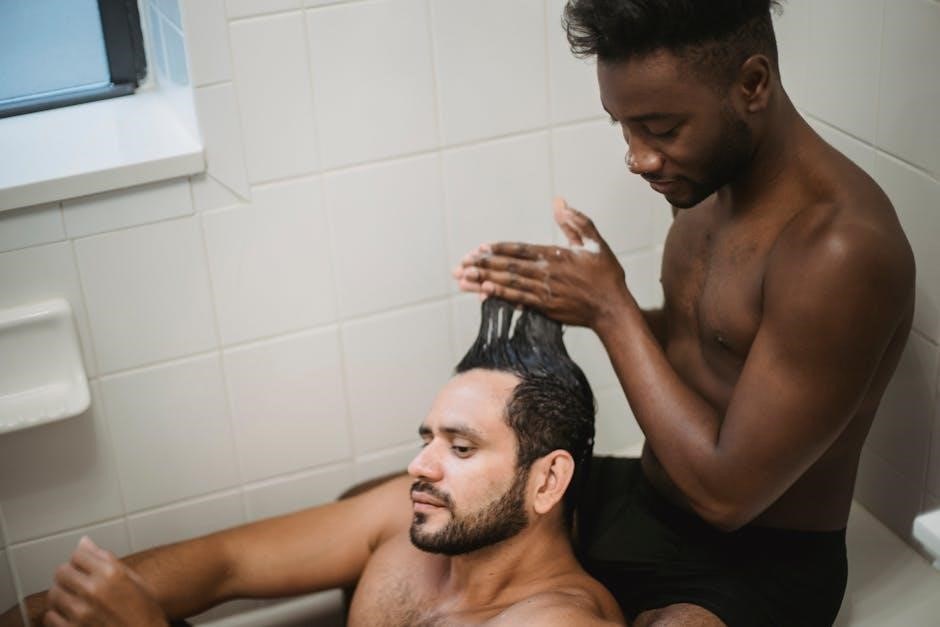
Consider a dedicated scalp brush for exfoliation and a mirror, preferably with magnification, for precise shaving. Finally, have readily available antiseptic wipes or solution to address any minor cuts or nicks that may occur during the process.
Skin Assessment & Sensitivity
Before embarking on a shaved head journey, a thorough skin assessment is crucial. Determine your scalp’s sensitivity level – is it prone to irritation, dryness, or ingrown hairs? Examine for any existing skin conditions like eczema or psoriasis, as shaving may exacerbate them.
If you have sensitive skin, opt for hypoallergenic shaving products and consider patch-testing them on a small area of your scalp 24 hours prior to a full shave. Pay attention to how your skin reacts to different razor types; some materials may be more irritating than others.
Understanding your skin type will dictate the products and techniques you employ, ensuring a comfortable and irritation-free experience. Remember, a gentle approach is always best, especially when first starting.
Pre-Shave Skincare Routine

A dedicated pre-shave routine significantly enhances the shaving experience and minimizes irritation. Begin with a warm shower to soften the hair and open pores. Gently cleanse your scalp with a mild, sulfate-free cleanser to remove dirt and oil, preparing the skin for a closer shave.
Applying a pre-shave oil or cream creates a protective layer, lubricating the skin and further softening the hair follicles. This reduces friction and helps the razor glide smoothly. Massage the product into your scalp using circular motions for optimal penetration.
Allow the pre-shave product to sit for a few minutes before shaving, maximizing its benefits. This step is particularly important for those with sensitive skin or coarse hair.

The Shaving Process: Achieving a Smooth Finish
Precision and patience are paramount during the shave; slow, deliberate strokes with a sharp blade yield the smoothest results and minimize potential discomfort.
Choosing the Right Razor
Selecting the ideal razor is crucial for a comfortable and effective head-shaving experience. Cartridge razors, with their multiple blades and lubricating strips, offer convenience and a close shave, minimizing irritation for many. However, safety razors, utilizing a single blade, provide a more traditional approach, often favored for their precision and cost-effectiveness over time.
Straight razors, while demanding skill and maintenance, deliver the closest possible shave, but are best left to experienced users. Consider your skin’s sensitivity; if prone to irritation, a cartridge razor with a lubricating strip might be preferable. Blade quality matters significantly – sharper blades reduce the need for multiple passes, lessening friction and potential for razor burn.
Ultimately, experimentation is key to discovering the razor that best suits your individual needs and preferences, ensuring a smooth and enjoyable shaving ritual.
Shaving with the Grain
Understanding and respecting your hair’s growth pattern is paramount for a comfortable shave. “With the grain” means shaving in the direction your hair grows, typically downwards on the sides and back of the head, and front to back on the crown. This minimizes irritation and reduces the risk of ingrown hairs, as it lifts and cuts the hair rather than pulling or tugging.
Always begin by identifying the grain direction on different areas of your scalp, as it can vary. Apply gentle, even pressure, allowing the razor to glide smoothly across your skin. Avoid pressing too hard, which can cause irritation and nicks.
For the first pass, strictly adhere to shaving with the grain. Subsequent passes, if desired for a closer shave, should be across the grain, never against it, to maintain skin health.
Post-Shave Care: Soothing & Hydrating
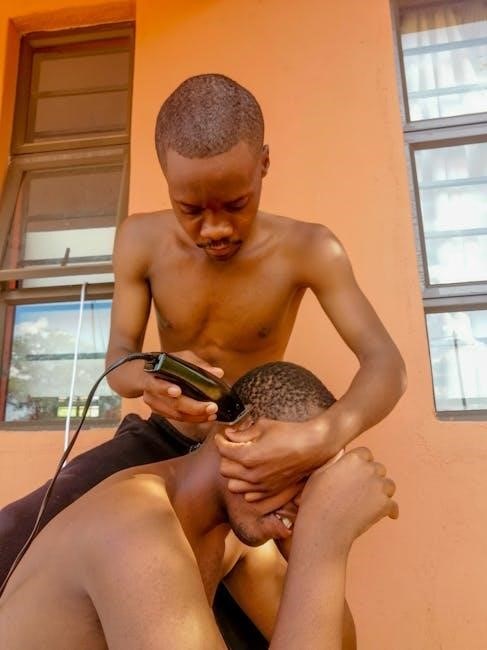
Immediately following your shave, your scalp is vulnerable and requires attentive care. Begin by rinsing thoroughly with cool water to remove any remaining shaving cream or hair. Pat, don’t rub, your scalp dry with a clean, soft towel to avoid irritation.
Applying a soothing aftershave balm or lotion is crucial. Opt for alcohol-free formulas containing ingredients like aloe vera, chamomile, or witch hazel to calm the skin and reduce redness. Hydration is key; a moisturizer designed for sensitive skin will replenish lost moisture and prevent dryness.
Avoid harsh chemicals or heavily fragranced products. Consider a light application of a non-comedogenic oil, like jojoba or grapeseed, for added nourishment and protection.
Maintaining a Healthy Scalp
A consistently healthy scalp is paramount for comfort and appearance, demanding regular attention and a dedicated routine for optimal skin wellness.
Daily Cleansing Routine
Establishing a consistent daily cleansing routine is fundamental to maintaining a healthy scalp after shaving. Opt for a gentle, sulfate-free cleanser specifically designed for the scalp or sensitive skin. Avoid harsh soaps that can strip the scalp of its natural oils, leading to dryness and irritation.
Warm water is your friend; it helps open pores and allows the cleanser to effectively remove dirt, oil, and dead skin cells. Gently massage the cleanser into your scalp using circular motions, ensuring complete coverage.
Rinse thoroughly, making sure no residue remains. Pat your scalp dry with a soft towel – avoid rubbing, as this can cause irritation. Consider incorporating a scalp brush during cleansing to further exfoliate and stimulate blood flow, promoting healthy skin cell turnover. This simple, daily practice will significantly contribute to a comfortable and healthy scalp.
Exfoliation for Scalp Health
Regular exfoliation is crucial for preventing ingrown hairs and maintaining a smooth, healthy scalp. Dead skin cells can accumulate, clogging pores and trapping hairs beneath the surface. Exfoliate 1-2 times per week, depending on your skin’s sensitivity.
You can use a physical exfoliant, like a gentle scalp scrub with fine granules, or a chemical exfoliant containing ingredients like salicylic acid or glycolic acid. Apply the exfoliant using circular motions, avoiding excessive pressure.
Focus on areas prone to ingrown hairs. Rinse thoroughly and follow with a hydrating moisturizer. Be cautious not to over-exfoliate, as this can lead to irritation and inflammation. Listen to your skin and adjust the frequency accordingly. A well-exfoliated scalp promotes healthy hair growth and a comfortable, smooth feel.
Sun Protection: A Must-Do
A shaved head is incredibly vulnerable to sun damage, making sun protection absolutely essential. Unlike hair, skin offers no natural barrier against harmful UV rays, significantly increasing the risk of sunburn, premature aging, and even skin cancer.
Always apply a broad-spectrum sunscreen with an SPF of 30 or higher to your scalp before heading outdoors, even on cloudy days. Reapply every two hours, or more frequently if swimming or sweating.
Consider wearing a hat or cap for added protection, especially during peak sun hours. Look for hats with a wide brim to shield your ears and neck. Don’t underestimate the power of preventative measures – protecting your scalp is a vital part of maintaining long-term skin health and comfort.

Styling & Confidence: Beyond the Shave
A clean-shaven head isn’t a limitation, but a canvas for expressing individuality through fashion, accessories, and unwavering self-assuredness.
Headwear Options
Beyond the liberating feel of a shaved head, exploring headwear unlocks a new dimension of style. Beanies are a classic choice, offering warmth and a casual vibe, especially during cooler months. Consider different materials like merino wool or cashmere for added comfort and texture.
For sun protection and a bolder statement, baseball caps or flat caps are excellent options. Experiment with colors and patterns to complement your personal aesthetic. In warmer weather, consider lightweight bandanas or stylish hats for a touch of flair.
Don’t underestimate the impact of a well-chosen hat – it can instantly elevate your look and showcase your personality. Remember to select headwear that fits well and feels comfortable, ensuring a confident and polished appearance.
Facial Hair Coordination
A shaved head creates a striking visual contrast, making facial hair a powerful styling element. A well-groomed beard, whether short and stubbly or long and flowing, can balance the boldness of a clean-shaven head and define your features.
Consider the shape of your face when choosing a beard style; a fuller beard can add width, while a more sculpted beard can elongate. Moustaches, from subtle to extravagant, also offer a unique way to express your personality.
Regular trimming and maintenance are crucial for a polished look. Experiment with different lengths and styles to find what best complements your shaved head and overall aesthetic. Don’t be afraid to embrace a clean-shaven look either – the contrast can be equally impactful!
Embracing Your New Look
Transitioning to a shaved head is more than just a physical change; it’s an embrace of confidence and individuality. It’s about owning your look and radiating self-assurance. Initially, it might feel different, but allow yourself time to adjust and appreciate the simplicity and freedom it offers.
Focus on your other features – your eyes, your smile, your physique – and let them shine. A shaved head draws attention to your face, so skincare becomes even more important.
Remember, style isn’t limited by hair length. Experiment with clothing, accessories, and your overall presentation to create a look that feels authentically you. Own it, rock it, and enjoy the empowering feeling of embracing your new, bold self!

Troubleshooting Common Issues
Navigating potential scalp sensitivities requires proactive care and understanding; addressing concerns promptly ensures continued comfort and a consistently polished, confident appearance.

Razor Burn Prevention & Treatment
Preventing razor burn begins with meticulous preparation and technique. Always ensure your scalp is thoroughly cleansed and exfoliated before shaving, softening the hair and removing dead skin cells that can contribute to irritation. Utilizing a sharp, high-quality razor is paramount; dull blades require more pressure, increasing friction and the likelihood of burn.
Shave with the grain, avoiding aggressive back-and-forth motions. A lubricating shaving cream or gel specifically designed for sensitive skin is essential, creating a protective barrier. Post-shave, rinse with cool water and gently pat dry – avoid rubbing.

If razor burn does occur, resist the urge to scratch! Apply a soothing balm containing aloe vera or chamomile to calm inflammation and promote healing. Hydrocortisone cream can provide temporary relief for more severe cases, but use sparingly. Avoid further shaving until the irritation subsides completely, and consider adjusting your technique for future shaves.
Ingrown Hair Solutions
Ingrown hairs occur when shaved hair curls back and re-enters the skin, causing inflammation and discomfort. Prevention is key: consistent exfoliation removes dead skin cells that trap hairs. Shaving with the grain, rather than against it, minimizes the chance of hairs being cut at an angle that encourages inward growth.
If an ingrown hair develops, avoid picking or squeezing it, as this can worsen inflammation and lead to infection. Gently exfoliate the area with a soft brush or washcloth to help release the trapped hair. Applying a warm compress can also soften the skin and encourage the hair to surface.
For persistent or infected ingrown hairs, consult a dermatologist. They may recommend topical treatments like retinoids or, in some cases, a minor in-office procedure to release the hair. Maintaining a consistent skincare routine focused on exfoliation and hydration is crucial for long-term prevention.
Addressing Scalp Dryness
A shaved scalp, exposed to the elements, can quickly become dry, leading to flakiness and discomfort. Hydration is paramount; regularly apply a fragrance-free, alcohol-free moisturizer specifically designed for the scalp. Look for ingredients like hyaluronic acid, glycerin, or shea butter to lock in moisture.
Avoid harsh soaps and shampoos that strip the scalp of its natural oils. Opt for gentle, hydrating cleansers and limit washing to a few times per week. Consider using a scalp oil treatment once or twice a week to provide deep nourishment.
Protect your scalp from sun exposure, as sunburn can exacerbate dryness. If dryness persists despite these measures, a dermatologist can assess your skin and recommend a more targeted treatment plan, potentially including prescription-strength moisturizers or medicated shampoos.