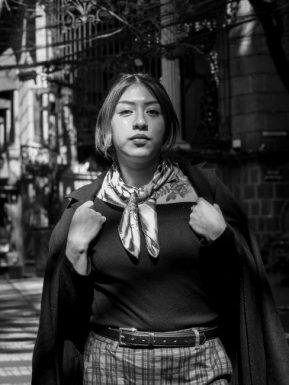
History of Women’s Pants
From 19th‑century workwear to 21st‑century runway, women’s trousers evolved through industrialization, suffrage, and fashion revolutions․ Early utilitarian cuts gave way to tailored styles, denim rebellion, and today’s inclusive sizing, reflecting social change Its legacy endures in sustainable designs now․
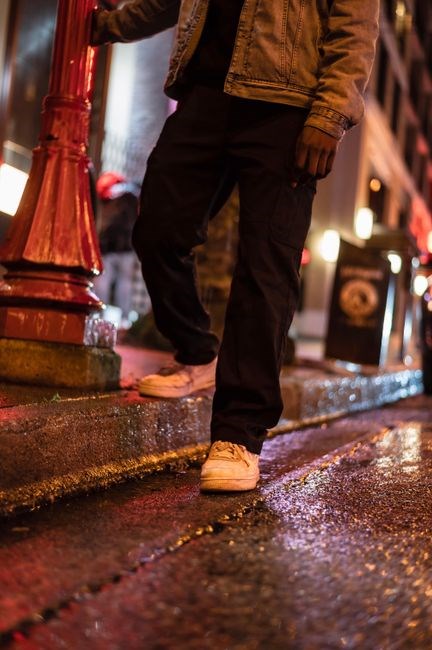
Types of Pants for Various Settings
Office: tailored trousers, smart chinos, pencil skirts․ Casual: relaxed jeans, joggers, cargo pants․ Outdoor: waterproof hiking trousers, thermal leggings, breathable cargo․ Formal: tux‑style slacks, silk trousers, jumpsuits․ Mix styles to match occasions․ today

Jeans
Jeans, first introduced in the 1850s as durable workwear for miners, have become a global fashion icon․ The original denim was a heavy cotton twill dyed with indigo, prized for its resilience․ Over time, the fabric evolved: modern blends incorporate elastane for stretch, while eco‑friendly versions use organic cotton, recycled polyester, or hemp․ Cut styles now span straight‑leg, bootcut, skinny, flare, wide‑leg, and high‑waist, each shaping a distinct silhouette that can be tailored for casual or formal settings․ Washes have diversified beyond classic indigo to include raw, acid‑washed, stone‑washed, and distressed finishes, offering texture and depth․ Color palettes have expanded to black, gray, white, pastel, and even metallic hues, accommodating seasonal trends and personal expression․ Functional details such as reinforced stitching, rivets, patch pockets, and reinforced cuffs enhance durability, while subtle embellishments—embroidery, metallic thread, or patchwork—add personality․ Contemporary designers integrate technical fabrics with moisture‑wicking, UV protection, and anti‑odor properties, making jeans suitable for outdoor activities and travel․ In the workplace, a dark, slim‑fit pair paired with a blazer projects professionalism; for weekend wear, relaxed or high‑waisted cuts prioritize comfort and style․ Denim’s versatility is further amplified by ongoing innovations in fabric technology, ethical sourcing, and sustainable manufacturing, ensuring that jeans remain a staple in wardrobes worldwide․ Whether paired with a crisp shirt, a chunky knit, or a sleek leather jacket, jeans adapt to every occasion, embodying both heritage and modernity․ Recent trends favor high‑waist, cropped, and distressed styles, while sustainable brands emphasize low‑impact dyes and circular production․ Sustainability drives innovation, consumers demand transparency and ethical labor practices․
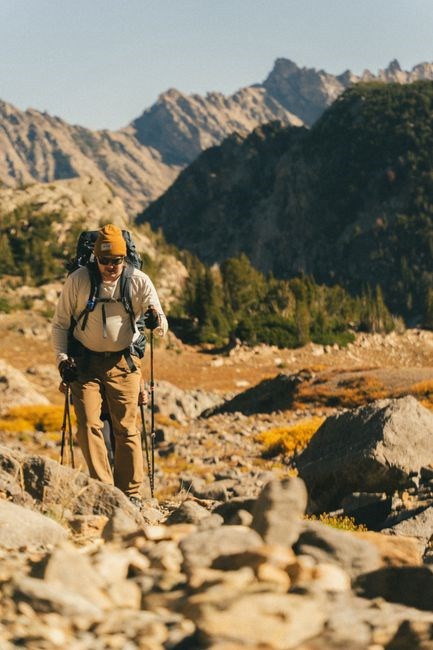
Chinos
Chinos trace their roots to 19th‑century British military uniforms, where lightweight twill cotton offered breathability and durability․ Over the decades, the cut evolved from a straight‑leg, functional garment to a versatile wardrobe staple for both casual and business attire․ Modern chinos are crafted from a blend of cotton and elastane, providing a comfortable stretch that maintains shape through daily wear․ The fabric’s natural breathability keeps feet cool, while the subtle sheen adds a touch of refinement․ Color options span classic khaki, navy, olive, charcoal, and seasonal pastels, allowing seamless integration into any color palette․ Cut styles include slim, regular, and relaxed fits, each tailored to different body shapes and fashion preferences․ Slim cuts emphasize a streamlined silhouette, ideal for office wear, whereas relaxed cuts offer a relaxed, laid‑back vibe suitable for weekend outings․ The rise of sustainable fashion has prompted manufacturers to adopt organic cotton, recycled fibers, and low‑impact dyes, reducing environmental footprints․ Functional details such as reinforced stitching, hidden pockets, and adjustable cuffs enhance durability and practicality․ In the workplace, chinos pair effortlessly with button‑down shirts or blazers, projecting a polished yet approachable look․ For travel, their wrinkle‑resistant nature and lightweight construction make them a top choice․ Contemporary trends favor high‑waist, cropped, and tapered designs, often paired with minimalist sneakers or loafers․ The ongoing shift toward circular fashion encourages repairable designs and refillable dyeing processes, ensuring that chinos remain both stylish and responsible․
Their versatility extends to outdoor adventures, where lightweight chinos pair with breathable tees for effortless comfort during now hikes!!
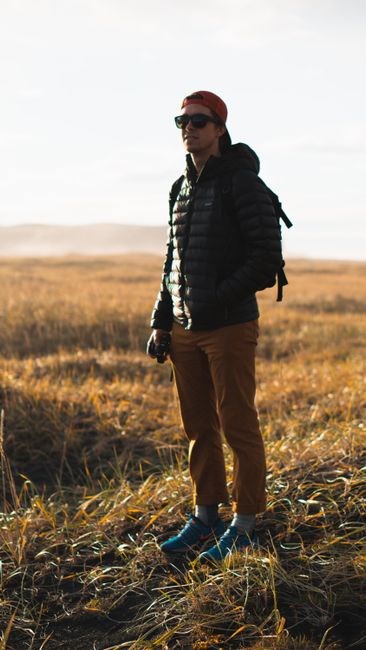
Tailored Trousers
Tailored trousers, a hallmark of sartorial precision, trace their lineage from early 20th‑century men’s business wear to today’s women’s power dressing․ The cut—straight, bootcut, or tapered—offers a structured silhouette that flatters a spectrum of body shapes while maintaining a clean, professional edge․ Fabric choices range from lightweight wool blends that breathe, to crisp cotton twill, to performance blends that incorporate moisture‑wicking fibers for active professionals․ A hallmark of quality is a reinforced waistband, seamless stitching, and a subtle pleat or flat front that enhances posture without compromising comfort․ Modern designers champion sustainability by sourcing organic wool, recycled polyester, and low‑impact dyes, and by integrating machine‑washable finishes that extend garment life․ Styling versatility is key: pair them with a tucked‑in blouse for boardroom confidence, or with a relaxed knit for weekend chic․ Accessories such as a structured tote or a leather belt accentuate waist definition․ The rise of “smart casual” dress codes has propelled tailored trousers into everyday wardrobes, merging formal structure with casual ease․ For travel, their wrinkle‑resistant properties and breathable fabrics make them ideal companions․ When selecting a pair, pay close attention to waist and inseam measurements, as the fit should sit comfortably at the natural waist without pulling․ Many brands offer adjustable cuffs and a range of inseam lengths to accommodate varying heights․ Custom tailoring—such as a hand‑stitched button or a unique pocket design—adds a personal touch that elevates everyday wear․ By investing in a pair of tailored trousers, you secure a versatile wardrobe piece that adapts to evolving fashion trends while maintaining a classic aesthetic timeless confidence․!!
Materials and Fabric Choices
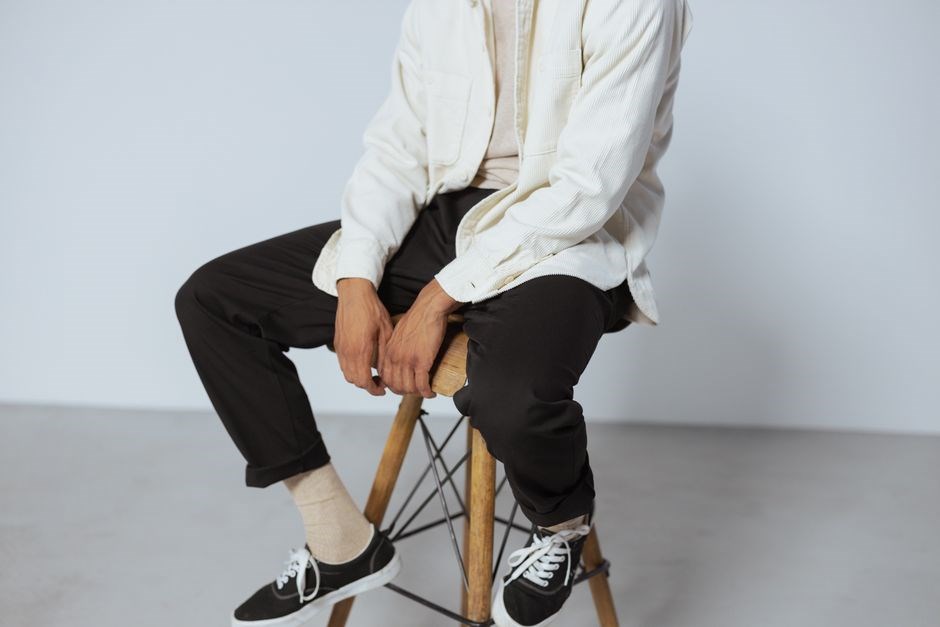
Materials range from breathable cotton, sturdy denim, to wool blends․ Eco‑friendly options include organic cotton, recycled polyester, and bamboo․ Features like moisture‑wicking, wrinkle‑resistance, and stretch enhance comfort, while skin fibers offer breathable durability․!
Denim
Denim, a cotton twill weave, began as 19th‑century European workwear, prized for its durability․ The diagonal weave and indigo dye give it a rugged texture that resists wear․ Modern denim varies from lightweight 10‑oz to heavyweight 14‑oz, with stretch blends that add flexibility․ Distressing—acid washing, stone‑washing, fraying—creates character, while embroidery or patches personalize each pair․ Sustainable choices include recycled denim and organic cotton blends that lower water and chemical use․ Denim’s versatility lets it move from streetwear to office attire; pairing with tailored jackets or blazers that elevates the look․ Care involves washing inside out in cold water, avoiding harsh detergents, and air‑drying to preserve color and shape․ Historically, denim symbolized youth rebellion in the 1950s, popularized by icons like Marlon Brando․ Today, designers play with color‑blocked cuts, high‑waist styles, and sustainable dyes․ Technological advances such as laser‑cut hems reduce fraying, while waterless dyeing cuts environmental impact․ Consumers demand transparency, pushing brands to publish supply‑chain and carbon‑footprint data; Whether classic indigo or pastel hues, denim remains a timeless canvas for self‑expression and functional fashion․ Collectors prize vintage jackets for hand‑stitched logos and fading patterns, while streetwear drops create hype and scarcity․ Denim’s durability suits outdoor workwear with reinforced seams and pockets, and its breathability keeps wearers cool․ Thus, denim endures as a versatile, culturally significant fabric that adapts to changing tastes and technology․ Its legacy endures in everyday wardrobes, inspiring designers to innovate while honoring tradition․ From classic indigo to pastel hues, denim remains a staple that blends comfort, style, and sustainability․ Its timeless appeal inspires fashion worldwide!!!??
Cotton and Blends
Natural cotton fibers offer breathability, softness, and moisture‑wicking properties that make them ideal for everyday wear․ When blended with synthetic fibers such as polyester, elastane, or nylon, the resulting fabric gains stretch, durability, and wrinkle resistance, allowing trousers to maintain shape after repeated washing․ Organic cotton, grown without synthetic pesticides, appeals to eco‑conscious consumers, while recycled polyester blends reduce landfill waste and lower carbon footprints․ The choice of weave—plain, twill, or sateen—affects drape and texture; a twill weave provides a subtle diagonal pattern and structural integrity, whereas a sateen finish yields a silky sheen suitable for formal trousers․ Modern manufacturing techniques, including bio‑based dyes and low‑water finishing, further enhance sustainability․ Fit is influenced by fiber composition—higher elastane content (3–5%) yields a relaxed fit that still hugs the waist, while a lower percentage (0–1%) offers a more traditional cut․ Care instructions vary: cotton blends with polyester can be tumble‑dried at low heat, whereas 100% cotton should be air‑dry to prevent shrinkage․ When selecting trousers, consider the blend’s performance in your climate—polyester‑rich fabrics perform better in humid conditions, while 100% cotton excels in cooler, dry environments․ Ultimately, cotton and its blends balance comfort, versatility, and environmental impact, making them a staple in modern pant design․ These fabrics resist fading, maintain color, and adapt to climate, ensuring lasting style․ For all!!
Size and Fit Considerations
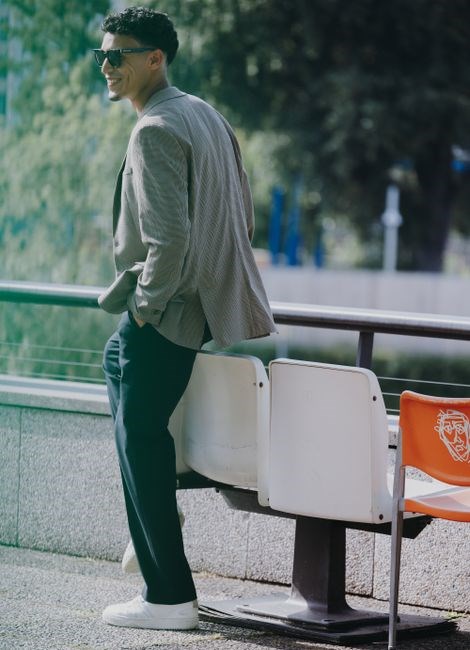
Choosing the right waist and inseam is key․ Measure your waist at the narrowest point, and inseam from crotch to ankle․ Test multiple fit styles—slim, regular, relaxed—to match body shape and comfort․ Adjustments or alterations improve longevity․ Fit is essential daily․!!
Waist and Inseam Measurements
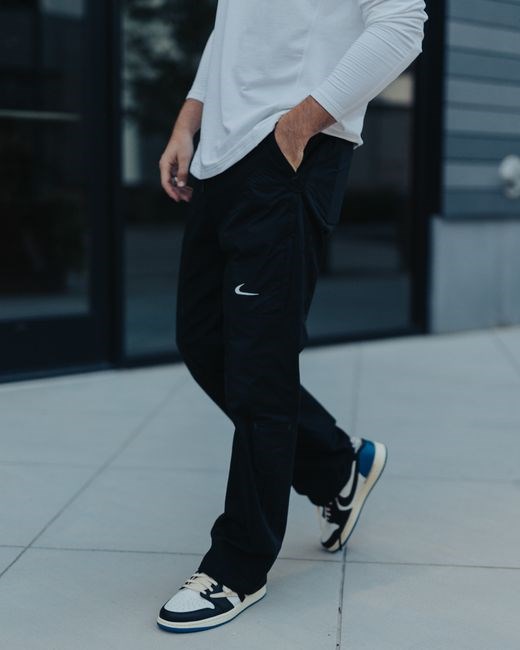
Accurate waist and inseam measurements are the foundation of a well‑fitted pair of pants․ Begin by measuring the natural waist—just above the belly button—using a flexible tape․ Keep the tape snug but not tight, and record the number in inches or centimeters․ Next, measure the inseam from the crotch seam down to the desired hem length․ For a standard fit, the inseam should match the length of your calf or ankle, depending on style․ If you prefer a cropped look, shorten the inseam by 2–4 inches․ For a full‑length cut, add 1–2 inches to the calf measurement․ Always double‑check both measurements on a pair that fits well, as fabric stretch and brand sizing can vary․ When shopping online, compare your numbers to the brand’s size chart; many retailers provide a detailed guide that includes waist, inseam, and hip measurements․ If your waist is between sizes, consider a waist adjustment or a custom fit․ For inseam discrepancies, a tailor can add or remove fabric to achieve the perfect length․ Remember that a proper fit not only looks better but also enhances comfort and mobility․ By mastering waist and inseam measurements, you can confidently select pants that flatter your shape and suit your lifestyle․ These precise measurements ensure a flattering silhouette and lasting comfort․ With accurate sizing, you can confidently pair them with any top or jacket․ Accurate measurements not only improve fit but also reduce returns, saving and resources for shoppers and retailers․ It boosts confidence in style everywhere now! This precision saves time for everyone!
Fit Styles (Slim, Regular, Relaxed)
Choosing the right fit style—slim, regular, or relaxed—determines how pants complement your silhouette and lifestyle․ Slim cuts taper from waist to ankle, offering a streamlined, contemporary look that pairs well with fitted tops or layered jackets․ They work best for taller frames or those seeking a sleek, office‑ready aesthetic․ Regular fits maintain a consistent width from waist to hem, providing a balanced, classic shape that suits most body types․ This style balances comfort and structure, making it ideal for everyday wear or business casual settings․ Relaxed cuts feature a looser waistband and a more generous leg opening, delivering maximum ease for active or casual occasions․ They accommodate movement and layering, making them suitable for travel, sports, or relaxed streetwear․ When selecting a fit, consider your body shape: slim fits accentuate curves but may feel restrictive; regular offers versatility; relaxed prioritizes comfort․ Additionally, fabric weight and stretch influence how each cut behaves․ A lightweight cotton blend will feel more forgiving in a relaxed style, while a heavier denim may hold shape better in a slim cut․ Always try on multiple styles and assess how they move with your daily activities․ The right fit enhances confidence, ensures proper support, and elevates overall style․ By understanding the nuances of slim, regular, and relaxed cuts, you can tailor your wardrobe to match both form and function, ensuring each pair of pants feels as good as it looks․ Enjoy versatile fits that adapt to every style․ for all!
Care Instructions for Longevity
Proper care extends the life of every pair of pants, preserving color, shape, and fabric integrity․ Begin by reading the label for specific guidance; most manufacturers recommend machine wash on a gentle cycle with cold water to avoid shrinkage and color bleeding․ Use a mild, color‑safe detergent and avoid fabric softeners, which can deposit residues that reduce breathability․ For denim or heavy blends, wash inside‑out to protect surface dyes․ Separate darks from light colors to prevent cross‑staining․ After washing, remove pants promptly to minimize creases; hang or lay flat to dry, avoiding direct sunlight that can fade pigments․ If you must use a dryer, select a low‑heat setting and add a clean tennis ball or dryer sheet to help maintain shape․ Iron on the recommended temperature—usually medium for cotton and high for synthetic blends—while the fabric is slightly damp; use a pressing cloth to protect delicate finishes․ For delicate fabrics like linen or silk blends, hand wash in lukewarm water with a gentle detergent, then lay flat to dry․ Store pants in a cool, dry place; avoid hanging them on wire hangers that can stretch waistbands․ For long‑term preservation, consider rotating your wardrobe weekly to reduce wear on seams and zippers․ Finally, treat stains promptly: blot with cold water, apply a mild stain remover, and rinse before washing․ Following these steps will keep your pants looking fresh and functional for years․ These habits keep your pants durable, stylish, and ready for any occasion․

Current Trends and Styling Tips
Today’s pant scene blends heritage with futurism․ High‑waisted, wide‑leg silhouettes echo 70s glamour while tech‑infused fabrics—stretch‑poly blends, moisture‑wicking synthetics—offer performance for active lifestyles․ Sustainable choices dominate: recycled polyester, Tencel, and organic cotton lead eco‑friendly wardrobes․ Color palettes shift toward muted earth tones—sage, terracotta, charcoal—paired with bold accent pieces like neon trims or metallic zippers for a pop of personality․ Patterned trousers, from subtle pinstripes to oversized florals, provide visual interest without overwhelming the silhouette․ In terms of fit, the “mom‑fit” revival—looser hips, tapered legs—remains a staple for comfort, while slim, high‑rise cuts cater to those seeking a streamlined look․ Styling tips include layering: pair cropped pants with a tucked‑in blouse and a belted blazer to elongate the torso, or stack a pair of wide‑leg trousers with a fitted turtleneck for a chic, office‑ready ensemble․ For casual vibes, tuck a graphic tee into high‑waisted denim and finish with chunky sneakers; Accessorizing with statement belts—think wide, embellished leather—adds drama․ Footwear choice can shift the entire mood: heeled boots elevate trousers for evening wear, while slip‑on canvas shoes keep the vibe relaxed․ Finally, experiment with textures: combine a matte corduroy with a glossy satin top, or layer a wool blend over a cotton base for seasonal versatility․ Add a blazer for a polished edge and a jacket Embracing these trends ensures that your pant wardrobe remains fresh, functional, and fashion‑forward․