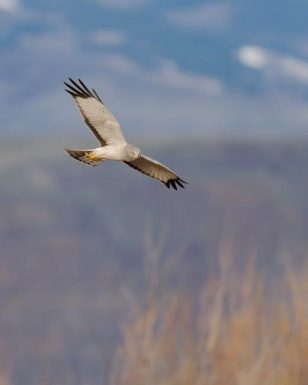
The Ultimate Guide to Guided Duck Hunts in Washington State
Embark on an unforgettable waterfowl adventure. This guide unveils secrets to successful guided duck hunts across Washington State. Discover prime locations, essential gear, and ethical practices for an enriching experience. Explore the Pacific Flyway, master duck hunting.
Washington State stands as a renowned region for waterfowl hunting. Enthusiasts converge here annually to experience the thrill of the hunt amidst diverse natural settings. This guide provides essential insights into navigating the state’s premier duck hunting opportunities with professional assistance.
1.1 What Makes Washington State Unique for Waterfowl
Washington State presents an exceptional landscape for waterfowl, distinguishing itself through an unparalleled combination of geographical features and ecological advantages. Positioned centrally within the Pacific Flyway, it serves as a vital migratory corridor and wintering ground for millions of ducks, geese, and other avian species annually. This strategic location ensures a consistent and remarkably diverse population of birds throughout the entire hunting season, attracting countless enthusiasts worldwide.
The state’s unique topography further enhances its appeal. From the expansive saltwater estuaries and tidal flats along its Pacific coast to the vast freshwater lakes, meandering rivers, and fertile agricultural fields of its interior, Washington offers an incredible array of habitats. These varied environments cater to the specific needs of different waterfowl species, providing optimal feeding, resting, and breeding grounds. The mild, wet climate of the western side and the more arid, yet irrigated, eastern plains both contribute to a rich tapestry of robust ecosystems. This diverse mosaic of wetlands, farmlands, and coastal zones, coupled with abundant natural food sources, creates an ideal sanctuary, making Washington a premier destination for those seeking truly exceptional duck hunting experiences.
1.2 The Benefits of a Guided Duck Hunting Experience
Engaging a professional guide for your duck hunt in Washington State offers a multitude of significant advantages, elevating the entire experience. Primarily, guides provide unparalleled access to prime hunting locations, often on private lands or exclusive leases, which would otherwise be inaccessible to the public. Their extensive local knowledge of waterfowl behavior, migratory routes, and daily patterns across diverse habitats—from coastal estuaries to inland fields—is invaluable, drastically increasing your chances of a successful and memorable hunt.
Furthermore, guides come equipped with all the essential, high-quality gear. This includes meticulously placed decoy spreads, well-concealed blinds, and often trained retrieval dogs, eliminating the need for you to invest in expensive equipment or manage complex logistics. Their expertise extends to effective calling techniques, drawing birds into optimal shooting range. Safety is also a paramount concern for professional outfits, ensuring a secure environment for all participants. For both novice and seasoned hunters, a guided trip serves as an exceptional learning opportunity, providing insights into proper techniques, ethical practices, and responsible waterfowl management, ultimately maximizing enjoyment and minimizing effort.
1.3 Brief Overview of Washington State Hunting Regulations
Washington State imposes specific regulations to ensure sustainable waterfowl hunting, which all hunters, including those on guided trips, must strictly adhere to. Before heading afield, every hunter is required to possess a valid Washington hunting license. Additionally, a federal migratory bird hunting and conservation stamp, commonly known as a “Federal Duck Stamp,” is mandatory for all waterfowl hunters sixteen years of age or older. Hunters must also acquire a Washington Migratory Bird Permit, often referred to as a “HIP validation,” which helps the state and federal agencies collect crucial harvest data.
Season dates for various duck species are established annually by the Washington Department of Fish and Wildlife (WDFW) and can vary significantly by management area and species. Equally important are the daily bag and possession limits, which are strictly enforced and differ based on the species targeted. Furthermore, the use of non-toxic shot is legally mandated for all waterfowl hunting in Washington, prohibiting lead shot. It is imperative that hunters consult the most current WDFW hunting pamphlet or website prior to each season to stay informed of any changes, ensuring full compliance and an ethical hunting experience.
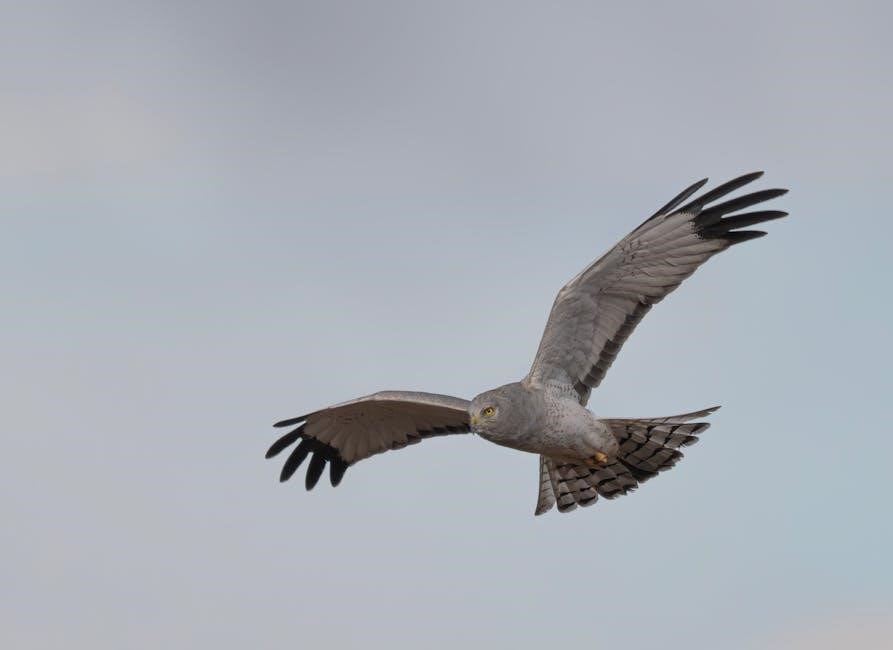
Top Duck Hunting Regions & Species in WA
Washington State boasts diverse landscapes offering premier duck hunting. From coastal estuaries to fertile inland fields, hunters find abundant opportunities. Explore the key regions and discover the varied waterfowl species that make this state a prime destination for guided hunts.
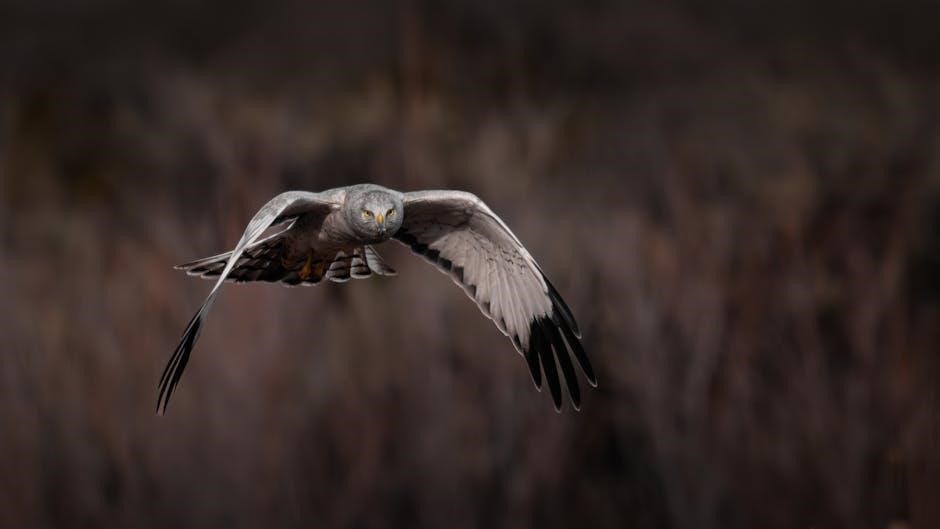
2.1 Coastal & Estuary Hotspots for Duck Hunting
Washington’s extensive coastline and numerous estuaries provide exceptional environments for waterfowl, making them prime destinations for guided duck hunts. The Puget Sound region, with its myriad bays, inlets, and tidal flats, offers consistent opportunities, particularly for sea ducks and diving ducks. Areas like Grays Harbor and Willapa Bay on the Pacific coast are renowned for their rich mudflats and abundant food sources, attracting significant numbers of dabbling ducks, especially during migration peaks. These unique ecosystems are characterized by fluctuating tides, which expose vast feeding grounds, concentrating ducks and making them accessible for strategic hunting. Guided operations in these hotspots often utilize specialized boats and blinds designed to navigate the dynamic waters and blend seamlessly into the estuarine landscape. Hunters can experience fast-paced action as ducks move between roosting and feeding areas, often taking advantage of tidal shifts. The confluence of freshwater rivers with saltwater bays creates brackish environments that support a diverse range of vegetation and invertebrates, forming an ideal habitat for a wide array of waterfowl. Successful hunts here often hinge on understanding the local tides and duck movement patterns, expertise that guided services readily provide.
2.2 Inland Rivers, Lakes, and Agricultural Fields
Inland Washington presents a distinct and equally rewarding duck hunting experience, contrasting sharply with its coastal counterparts. The vast network of rivers, including the mighty Columbia and its tributaries, offers excellent opportunities, particularly in calmer sloughs and backwaters where dabbling ducks congregate. Large lakes and reservoirs, such as Moses Lake and the expansive Potholes Reservoir, serve as crucial resting and feeding grounds, attracting thousands of waterfowl during migration. These freshwater bodies often hold significant populations of mallards, pintails, and widgeon.
Beyond the water, Eastern Washington’s agricultural landscape is a major draw. Post-harvest corn, wheat, and pea fields provide abundant food sources, luring ducks and geese away from open water to feed. Guided hunts in these areas frequently involve layout blinds or pit blinds strategically placed in fields, offering superb concealment. Access to private farmlands is a significant advantage of utilizing a guide in these regions, as they often have exclusive permissions to prime feeding locations. Guides possess invaluable knowledge of local flight patterns, understanding how ducks move between roosting water and feeding fields, which is critical for a successful field hunt. The diverse inland habitats ensure varied hunting scenarios, from decoy spreads on calm lake waters to pass shooting over harvested grain, catering to different preferences and offering unique challenges.
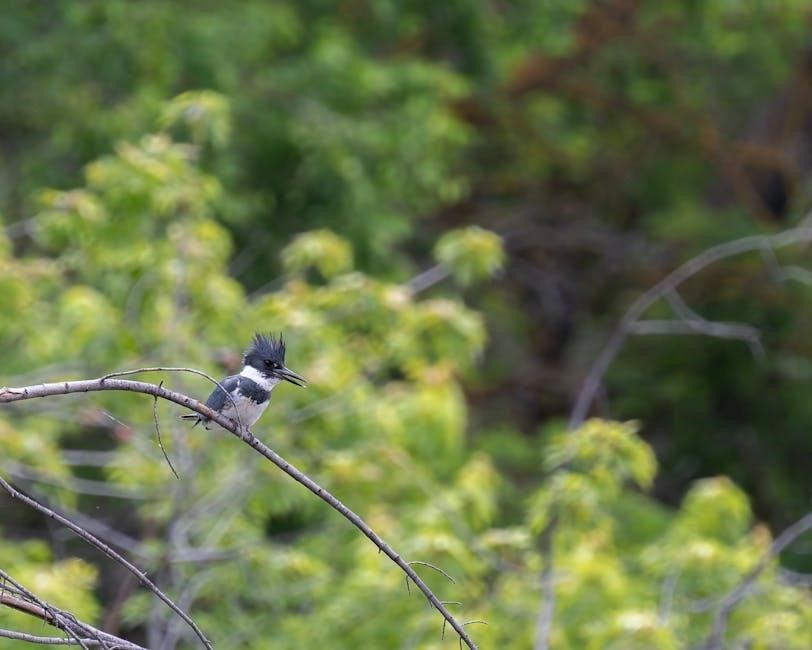
2.3 Common Duck Species Targeted in Washington
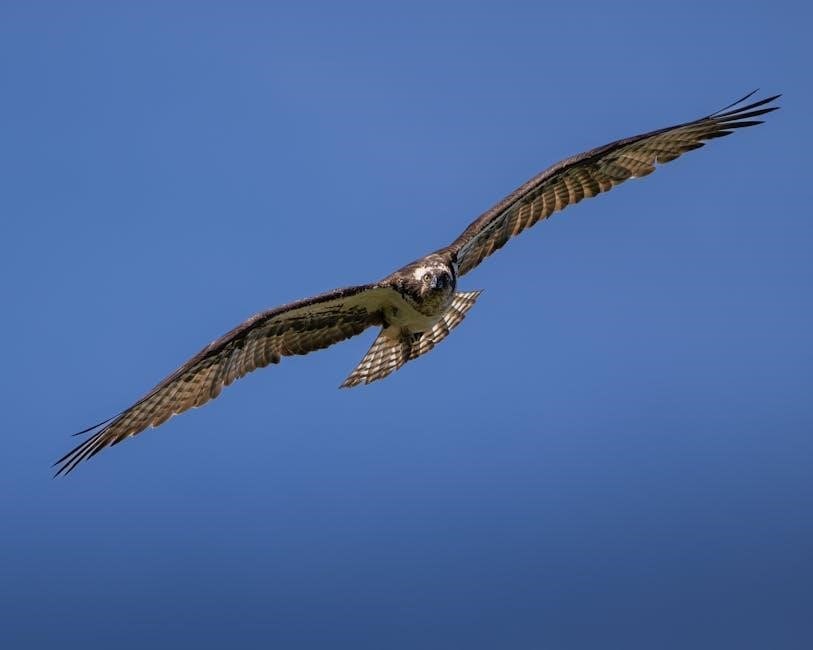
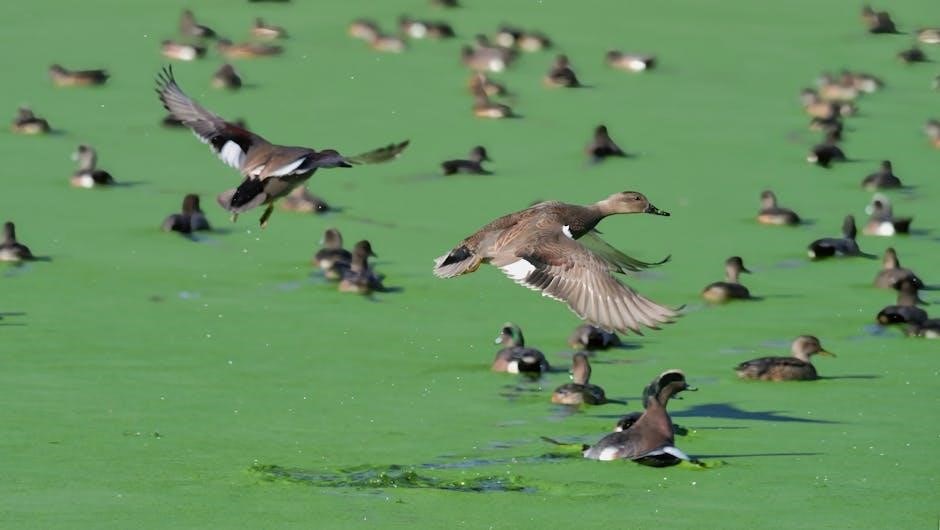
Washington State’s diverse habitats attract a wide array of duck species, making it a prime destination for waterfowl hunters. Among the most frequently targeted for guided hunts are various dabbling ducks, prized for their responsiveness to calls, decoys, and excellent table quality. The iconic Mallard stands out as the most sought-after, its vibrant plumage and strong flight making it a trophy. American Wigeon are abundant, easily identified by their white wing patches, offering consistent action. Northern Pintails, elegant with long necks, provide an exciting challenge, especially in agricultural settings. Green-winged Teal, known for incredibly swift flight, offer exhilarating shooting, particularly early in the season.
Beyond these popular dabblers, Washington’s expansive lakes and coastal estuaries host a strong contingent of diving ducks. Highly prized Canvasbacks, often called the “king of ducks,” present a challenging quarry over larger bodies of water. Redheads and both Greater and Lesser Scaup are common targets, providing thrilling decoying opportunities. Barrow’s and Common Goldeneyes, known for their robust flight, further diversify the hunter’s potential bag, especially in colder months. Expert guides possess the knowledge to identify these species and employ specific strategies tailored to their behaviors, maximizing success across the state’s varied waterfowl landscapes.
2.4 Understanding Migratory Patterns in the Pacific Flyway
The Pacific Flyway represents a critical aerial corridor for millions of migratory waterfowl, extending from their Arctic breeding grounds down to wintering areas in Mexico and Central America. Washington State lies directly within this vital pathway, making an understanding of these complex migratory patterns absolutely essential for any successful guided duck hunt. Ducks and geese journey through the state, responding to seasonal changes, weather fronts, and the availability of food and safe resting areas.
Guided hunting services in Washington closely monitor these movements. Early in the season, hunters often encounter local populations and the first wave of northern migrants. As colder weather intensifies further north, a significant push of new birds arrives, bringing peak hunting opportunities. Expert guides utilize real-time intelligence, including weather forecasts and reports from up the flyway, to predict bird influxes and position hunters strategically. This ensures clients are in prime locations where ducks are actively staging, feeding, or resting.
Specific Washington regions act as crucial staging grounds, drawing thousands of ducks during their journey. The timing of these migrations dictates the species available and the overall volume of birds. A guide’s deep knowledge of these patterns, combined with current environmental conditions, allows for adaptive strategies, ensuring that hunters are placed where the flight is most promising. This dynamic understanding is key to maximizing a guided hunt’s potential.
What to Expect from a Guided Duck Hunt
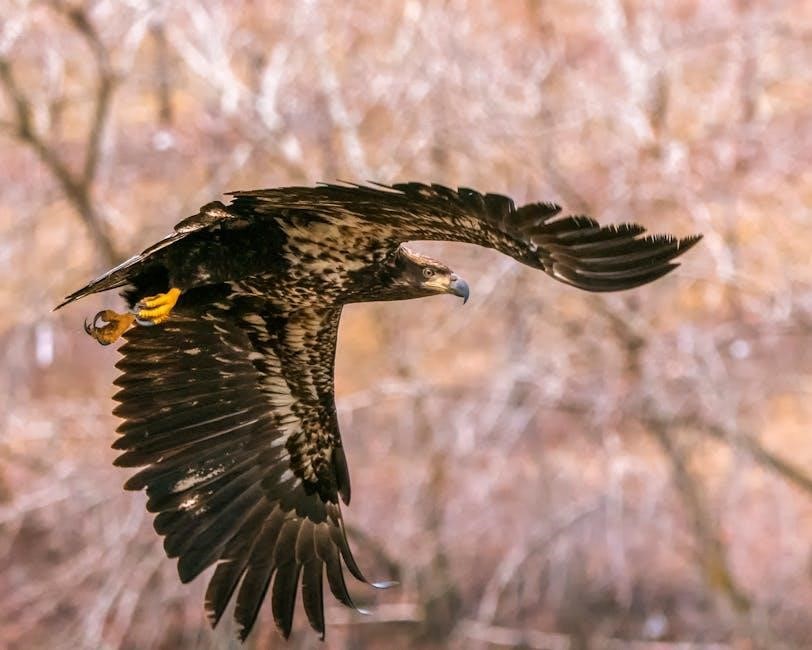
A guided duck hunt in Washington offers unparalleled access to prime habitat. Expect expert guidance, professional setups, and strategic positioning for optimal shooting. Guides handle blinds, decoys, and calling, letting you focus. Prepare for a well-organized experience.
3.1 A Typical Day on a Guided Duck Hunt
A typical day on a guided duck hunt in Washington State begins well before dawn, often with a rendezvous point established by your guide. From there, you’ll travel to the pre-scouted hunting location, which could be a hidden marsh blind, a pit blind in an agricultural field, or a boat blind on an estuary. Upon arrival, the guide will quickly and efficiently deploy a sophisticated spread of decoys, positioning them strategically to attract passing waterfowl. You’ll settle into the comfortable, camouflaged blind, ensuring all gear is ready. As legal shooting light approaches, the anticipation builds. The guide will expertly use calls to lure ducks and geese closer, identifying species and providing shooting instructions. When birds commit, the action can be fast and exhilarating. Professional retrieve dogs, often accompanying the guide, will swiftly fetch any downed birds, minimizing losses and ensuring ethical recovery. The hunt typically continues for several hours into the morning, or until the group reaches its bag limit. After the hunt, the guide assists with packing up and often offers basic field dressing services, providing a comprehensive and seamless experience from start to finish. This structured approach allows hunters to fully immerse themselves in the experience without the logistical burdens.
3.2 Equipment and Decoys Provided by Professional Guides
Professional guided duck hunts in Washington State significantly enhance the hunting experience by supplying a comprehensive array of specialized equipment. This provision expertly alleviates the need for clients to acquire or transport cumbersome, expensive, or highly specific gear. Guides consistently furnish meticulously maintained and strategically placed blinds, which are absolutely paramount for effective concealment. These robust structures range from comfortable, weather-resistant pit blinds situated in agricultural fields to brilliantly camouflaged boat or permanent marsh blinds, ensuring optimal comfort, dryness, and stealth regardless of the chosen hunting environment. Furthermore, an extensive and remarkably realistic spread of top-tier decoys is always provided. This includes various species-specific static decoys and dynamic motion decoys, all absolutely crucial for effectively attracting wary waterfowl into prime shooting range. These precise decoy spreads are carefully curated and adjusted daily by the guide, considering the targeted duck and goose species, alongside prevailing local weather and water conditions. Additionally, guides always furnish essential tools such as premium, specialized calls, which they skillfully employ to mimic authentic waterfowl vocalizations, expertly drawing birds closer. Many reputable services also include the invaluable assistance of their trained
3.3 Essential Gear You Need to Bring for Your Hunt
Your personal gear is crucial for a comfortable, successful Washington duck hunt. Essential clothing: warm, layered, camouflage attire, topped with waterproof, windproof outer shell. Quality waterproof waders are vital for marsh and shallow water, ensuring dryness and warmth.
You are responsible for your firearm and ammunition. A reliable 12-gauge shotgun is standard. Bring sufficient non-toxic shot (steel, bismuth, tungsten-iron) in appropriate waterfowl sizes; lead is strictly prohibited. Confirm shot size recommendations with your guide. Possess valid Washington State hunting license, federal duck stamp, and all required endorsements—legally mandatory.
Other vital items: snacks, water, hot beverage, and necessary medications. For safety/comfort, pack waterproof gloves, a warm hat, eye/hearing protection. A headlamp is invaluable for pre-dawn/post-hunt tasks. A small, waterproof backpack organizes essentials; confirm specific needs with your guide for optimal preparation.
Choosing the Right Guided Duck Hunting Service
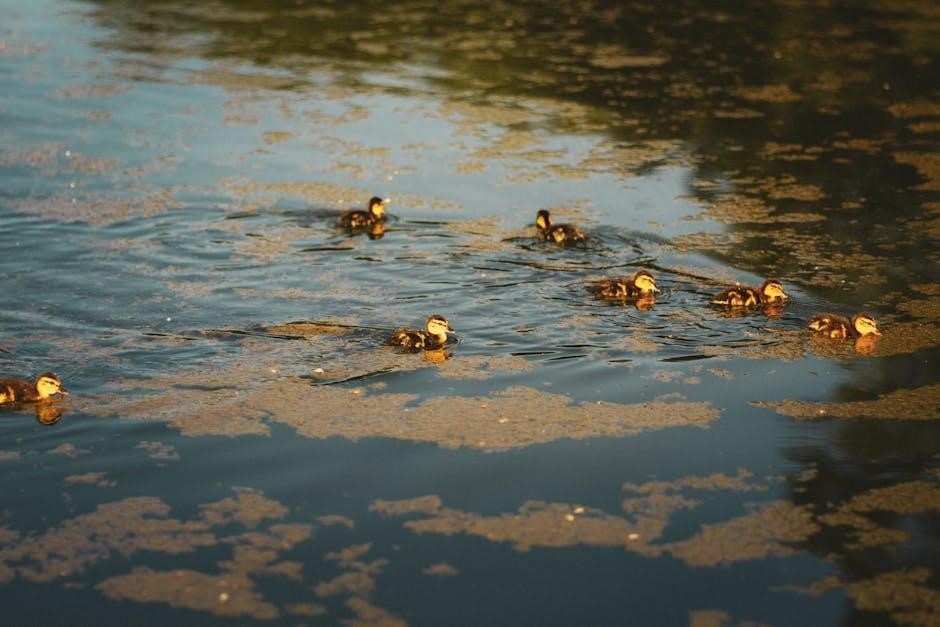
Selecting the perfect guided duck hunting service ensures a memorable, productive experience. Research reputation, expertise, and offerings to align with your hunting aspirations. A well-chosen guide enhances safety, success, and enjoyment on Washington’s diverse waterfowl landscapes.
4.1 Key Factors for Selecting a Reputable Guide
Choosing a reputable guide is paramount for a successful and enjoyable Washington State duck hunt. Firstly, prioritize guides with extensive local experience and deep knowledge of specific regions, migratory patterns, and waterfowl behavior. An established guide understands the nuances of Washington’s diverse hunting grounds, from coastal estuaries to inland fields, significantly increasing your chances of success. Look for strong client testimonials and positive reviews, indicating consistent satisfaction and professionalism. Websites, social media, and direct references are excellent sources for this feedback.
Secondly, evaluate their communication style and responsiveness; a good guide will be transparent and eager to answer all your questions thoroughly before booking. Inquire about their safety protocols, including emergency plans and the condition of their equipment, such as boats, blinds, and decoys. Quality, well-maintained gear is essential for both safety and effectiveness. Assess their commitment to ethical hunting practices and conservation, ensuring they operate responsibly, respecting wildlife and private land. Finally, consider their flexibility and willingness to tailor the hunt to your skill level and preferences, whether you’re a veteran or a novice. A reputable guide offers clear pricing and manages expectations, providing a comprehensive, stress-free experience from start to finish.
4.2 Ensuring Your Guide is Licensed, Insured, and Experienced
Verifying your chosen duck hunting guide is properly licensed, insured, and experienced is non-negotiable for a safe and legal outing in Washington State. Always confirm they possess all required state and federal guiding licenses. Washington Fish and Wildlife regulations mandate specific permits for commercial operations, ensuring compliance. Reputable guides readily provide proof. This licensing signifies they meet legal standards and are authorized to conduct guided hunts within the state.
Second, inquire about their insurance coverage. A professional guide carries comprehensive liability insurance, protecting both the service and clients against potential accidents during the hunt. This critical safety net offers peace of mind. Lastly, delve into their experience. While years in the field are important, also consider specific expertise in Washington’s diverse waterfowl environments. An experienced guide understands local migratory patterns, prime hunting locations, and effective strategies for targeting various duck species. They demonstrate strong commitment to hunter safety, ethical practices, and conservation. Their track record of successful hunts and satisfied clients speaks volumes about their competence, ensuring a memorable and responsible adventure.
4.3 Understanding Group Sizes and Custom Hunt Options
For Washington guided duck hunts, understanding group sizes and custom options is vital. Guides offer a spectrum of experiences. You can opt for exclusive private hunts, ideal for one or two individuals seeking personalized attention and intimate settings. Small group outings (3-5 hunters) balance camaraderie with effective hunting. Larger parties for corporate events or friends might be accommodated, but this impacts individual focus.
Many reputable guiding services provide custom hunt options. These tailored packages allow hunters to specify preferred dates, target specific duck species, or request specific locations within Washington’s diverse waterfowl habitats. Customization extends to hunt duration, accommodation, or specialized hunts for beginners needing more instruction, or for photographers; Discussing these preferences upfront ensures your guide crafts an experience aligned with your specific expectations, maximizing enjoyment and success.
4.4 Booking Your Hunt and Permit Requirements
Booking your guided duck hunt in Washington State requires foresight due to high demand. Reputable guides often book up months, sometimes a year, in advance, particularly for peak migration periods. It’s advisable to contact your chosen outfitter as soon as your dates are firm. Typically, a non-refundable deposit is required to secure your reservation, with the balance due closer to the hunt date. Always confirm cancellation policies and what is included in the package before committing.
Regarding permit requirements, every hunter participating in a guided duck hunt in Washington must possess several crucial documents. Firstly, a valid Washington State hunting license is mandatory. Secondly, a Federal Migratory Bird Hunting and Conservation Stamp, commonly known as a Federal Duck Stamp, is essential. This stamp must be signed across its face. Lastly, hunters need a Harvest Information Program (HIP) validation, which is free and obtained when purchasing your state license. It is the hunter’s responsibility to acquire all necessary licenses and stamps well before the hunt. Guides cannot provide these; they can only offer guidance on where to purchase them. Ensure all documents are easily accessible on your hunt day for inspection by authorities.
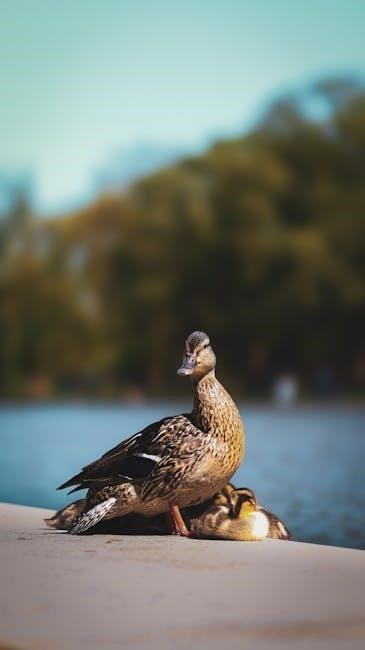
Conservation, Ethics, and Post-Hunt Practices
Responsible hunting extends beyond the shot. This section emphasizes sustainable practices, ethical conduct, and proper post-hunt care for your harvest. Learn to respect wildlife, landowners, and the hunting tradition, ensuring future generations can enjoy Washington’s rich waterfowl resources responsibly.
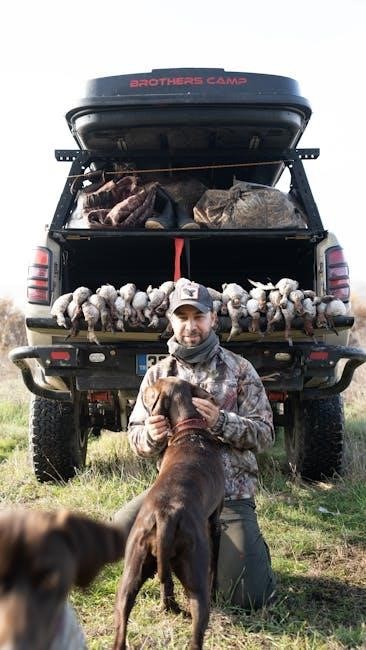
5.1 Promoting Sustainable Duck Hunting Practices
Promoting sustainable duck hunting is paramount to preserving Washington State’s incredible waterfowl resources for generations to come. Guided hunts play a crucial role in this by often adhering to best practices and educating clients. Adherence to strict bag limits and season dates, as set by the Washington Department of Fish and Wildlife (WDFW) and federal regulations, is the most fundamental aspect. Responsible hunters understand that these limits are based on scientific data regarding population health and migratory patterns, ensuring that harvest levels are sustainable. Beyond compliance, active participation in habitat conservation efforts is vital. This can include supporting organizations like Ducks Unlimited or local conservation groups that work to protect and restore wetlands, estuaries, and agricultural lands critical for waterfowl. Guides often model these behaviors and can inform hunters about local initiatives. Furthermore, ethical shot placement to minimize crippling losses and diligent retriever use are also key components of sustainable practices, reducing waste and ensuring a clean harvest. By embracing these principles, guided duck hunters contribute directly to the long-term health and abundance of Washington’s diverse duck populations, ensuring the sport remains viable and thriving. It’s a collective responsibility that strengthens the hunting tradition.
5.2 Ethical Hunting: Respecting Wildlife and Landowners
Ethical hunting is the bedrock of a responsible guided duck hunt in Washington State, demanding profound respect for both the wildlife pursued and the landowners providing access. A truly ethical hunter prioritizes fair chase, ensuring all shots are taken within reasonable range for a quick, humane harvest, minimizing any suffering. Knowing your equipment’s capabilities and personal limits is paramount. Professional guides exemplify these principles, often instructing on precise shot placement and efficient game recovery, including vital trained retrievers to prevent lost birds. Beyond the immediate kill, respect for wildlife encompasses understanding migratory patterns, avoiding harassment, and appreciating the natural ecosystem. Equally crucial is unwavering respect for landowners. Guided hunts frequently rely on private properties, making explicit permission and strict adherence to all property rules non-negotiable. Always close gates, pack out all trash, and refrain from damaging crops or fences. A sincere “thank you” or gesture of appreciation significantly fosters positive relationships, guaranteeing continued access for future hunts. These ethical considerations are not merely guidelines; they are fundamental values that uphold the integrity of the sport and enhance the positive image of all waterfowl hunters.
5.3 Field Dressing and Processing Your Duck Harvest
After a successful guided duck hunt in Washington State, proper field dressing and processing are crucial for preserving the quality of your harvest. Field dressing, typically performed soon after retrieval, involves removing the entrails to rapidly cool the bird’s internal temperature, which inhibits bacterial growth and prevents spoilage. Many guides can assist with this initial step or provide designated areas. To field dress, lay the duck on its back, make a small incision from the breastbone to the vent, and carefully remove all internal organs. It’s often recommended to leave the heart and liver, as they are edible delicacies. Once field dressed, rinse the cavity if possible and place the bird in a cooler with ice, ensuring it’s not submerged in water, to maintain a cold, dry environment for transport. Back at camp or a processing facility, you have options for further processing. You can choose to pluck the entire bird, preserving the skin and fat for richer flavor, a more time-consuming but rewarding method. Alternatively, many hunters opt to breast out the duck, quickly removing only the breast meat, which is efficient and still yields excellent table fare. Regardless of the method, cleanliness is paramount. Use sharp knives, clean surfaces, and wash hands thoroughly. Properly processed ducks can be vacuum-sealed and frozen for long-term enjoyment, ensuring your Washington hunt provides delicious meals for months.
5.4 Preserving the Tradition: Sharing Your Hunting Experience
Sharing the exhilaration and lessons learned from your guided duck hunt in Washington State is fundamental to preserving this cherished outdoor tradition. It’s more than just recounting stories of successful retrieves or challenging shots; it’s about passing down the knowledge, ethics, and passion that define waterfowl hunting. Documenting your experience through photographs or videos allows you to vividly relive moments and share the beauty of Washington’s wetlands with friends and family. Encourage others, especially younger generations, to engage with nature and understand the role hunting plays in conservation. Mentorship is a powerful tool; taking a novice on a future hunt, or simply explaining the nuances of duck behavior and habitat, fosters a new appreciation for the sport. Cooking and sharing your harvested ducks not only provides delicious meals but also connects people directly to the origin of their food and the sustainable practices involved. By openly discussing your adventures, the challenges, and the profound connection to the wild, you help dispel misconceptions and reinforce the positive aspects of ethical hunting. This active participation in sharing ensures that the rich heritage of waterfowl hunting endures, inspiring future generations to become stewards of Washington’s invaluable natural resources and carry forward the tradition responsibly.